Sourcing directly from the mill, from a classic dealer or from a service center: the differences, the effect of stocked supply on lead time, and the benefits of buying from coil to cut from a single point.
Stainless steel is sourced in three ways. Buying directly from the mill requires a high minimum tonnage and a long lead time, and includes no cutting to size. A classic iron-and-steel dealer holds stock but does no processing; cutting to size goes to a separate supplier.
A service center combines stock and processing under one roof: it holds ready material and, on order, brings it to a ready-to-use form.
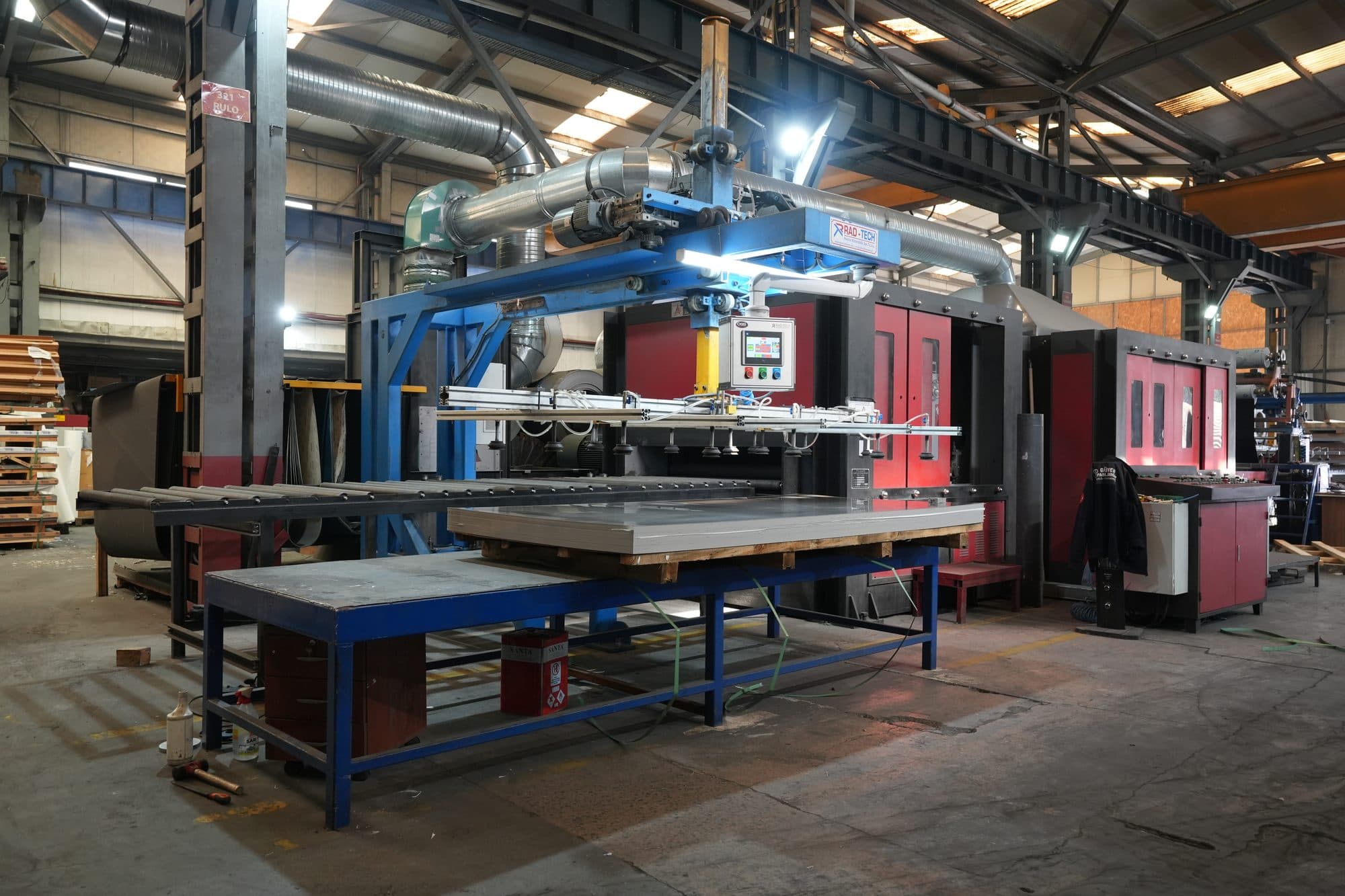
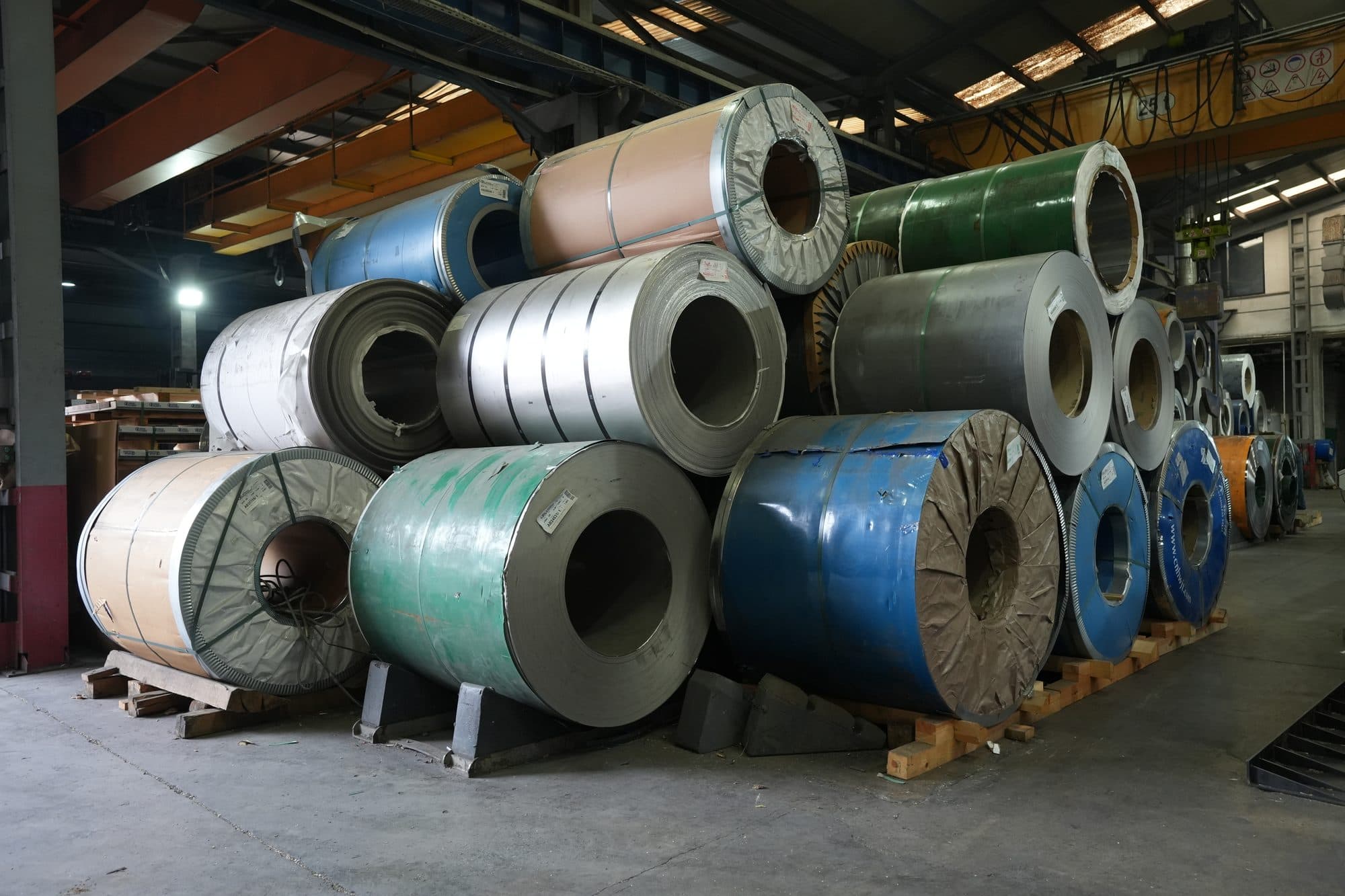
A service center keeps wide coil and standard sheet in stock; on order it applies steps such as slitting, cut-to-length, laser cutting and bending, and sends the customer a ready-to-use form.
As a result, the customer does not have to set up, operate and maintain uncoiling equipment and a cutting bench.
Ready stock can reduce the supply lead time from weeks to days. For small and medium lots, the mill's minimum tonnage requirement no longer applies.
As the project progresses, partial withdrawals can be made; the entire requirement does not have to be stocked up front, which eases cash flow and the storage burden.
When material, cutting and bending are given to a single counterpart, intermediate transport and handling are reduced. There is no argument between parties over whether a fault is a cutting error or a material error, because both sit with the same supplier.
Material certificates and traceability are followed in a single file.
The honest limit is this: for a buyer who takes a single grade, a single size and continuous high tonnage, and who also has their own processing line, buying directly from the mill is generally the more sensible route.
The service center model stands out for buyers with high variety, variable lot sizes and a need for fast lead times.
Which grades and finishes are kept in stock continuously? Which processes are done in-house and which go out to subcontractors? Is a material certificate (for example EN 10204 3.1) provided? Are partial shipments and stock reservation possible?
These questions quickly reveal whether a supplier really works like a service center or only like a stockholder.
A dealer generally only sells stock. A service center, in addition to stock, carries out processes such as slitting, cut-to-length, laser cutting and bending and delivers ready-to-use parts.
Because the material is waiting in ready stock, there is no need to wait for the mill's casting and rolling lead time or its minimum tonnage requirement; shipment mostly takes only as long as the processing time.
Yes. The model is designed for variable lots below the mill's per-ton minimums. Partial withdrawals and stock reservation are generally possible.
Because material and processing are with the same supplier, certificates, traceability and responsibility for any fault are gathered in one place; the argument over responsibility between parties disappears.

