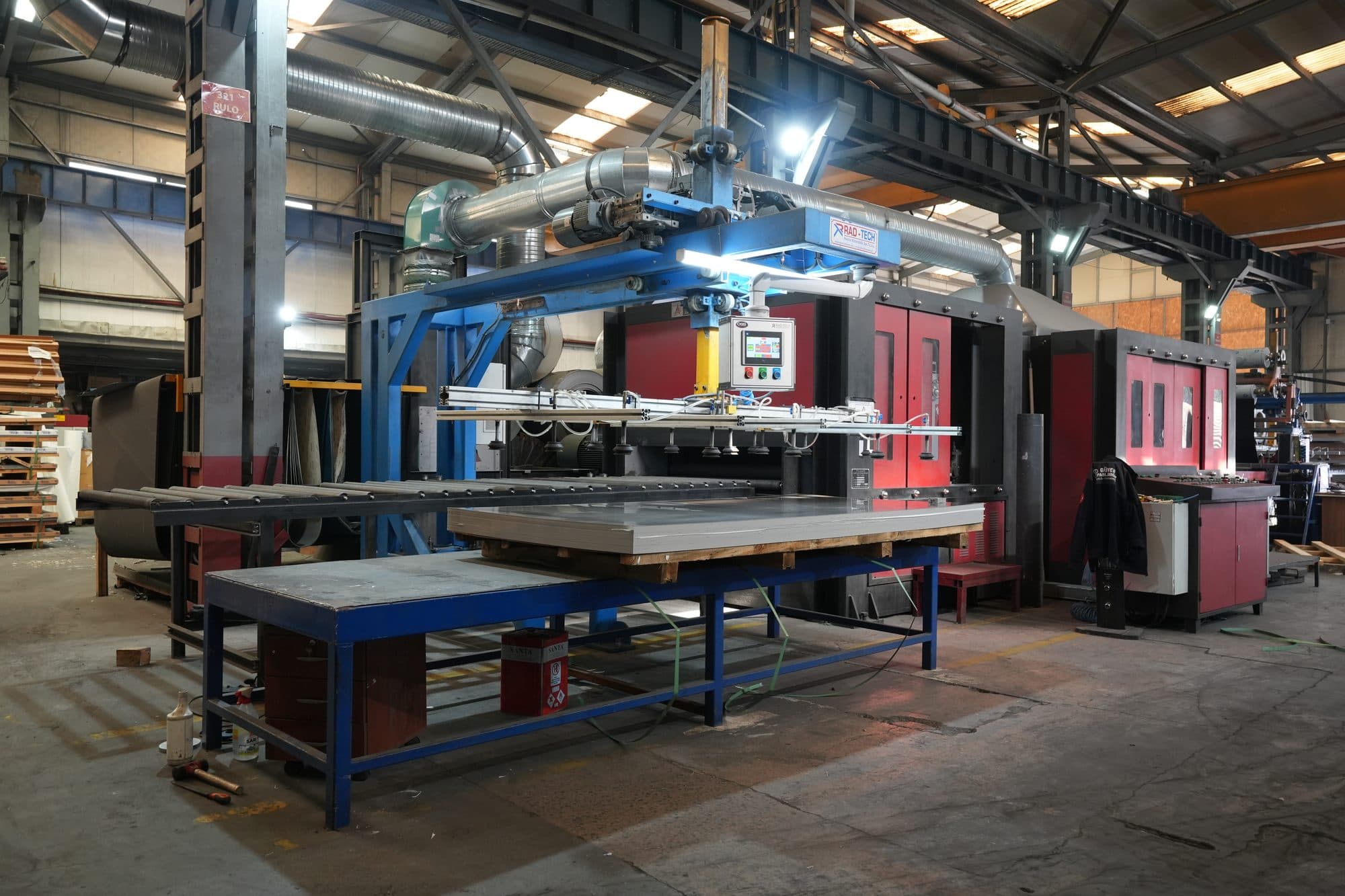
The path from coil to ready-to-use part runs through four core processes: slitting, cut-to-length, laser cutting and bending. Which one when, and from which input to which output?
A service center is the processing line that brings raw stainless steel, arriving as wide coil or standard sheet, to an intermediate or final form that the fabricator can use directly. The input is usually a wide master coil or a full-size sheet; the output is a strip cut to size, a flat sheet, a contour-cut part or a bent part.
This model spares every fabricator from setting up their own uncoiling, leveling and cutting equipment. The four processes often follow one another: the output of one step becomes the input of the next.
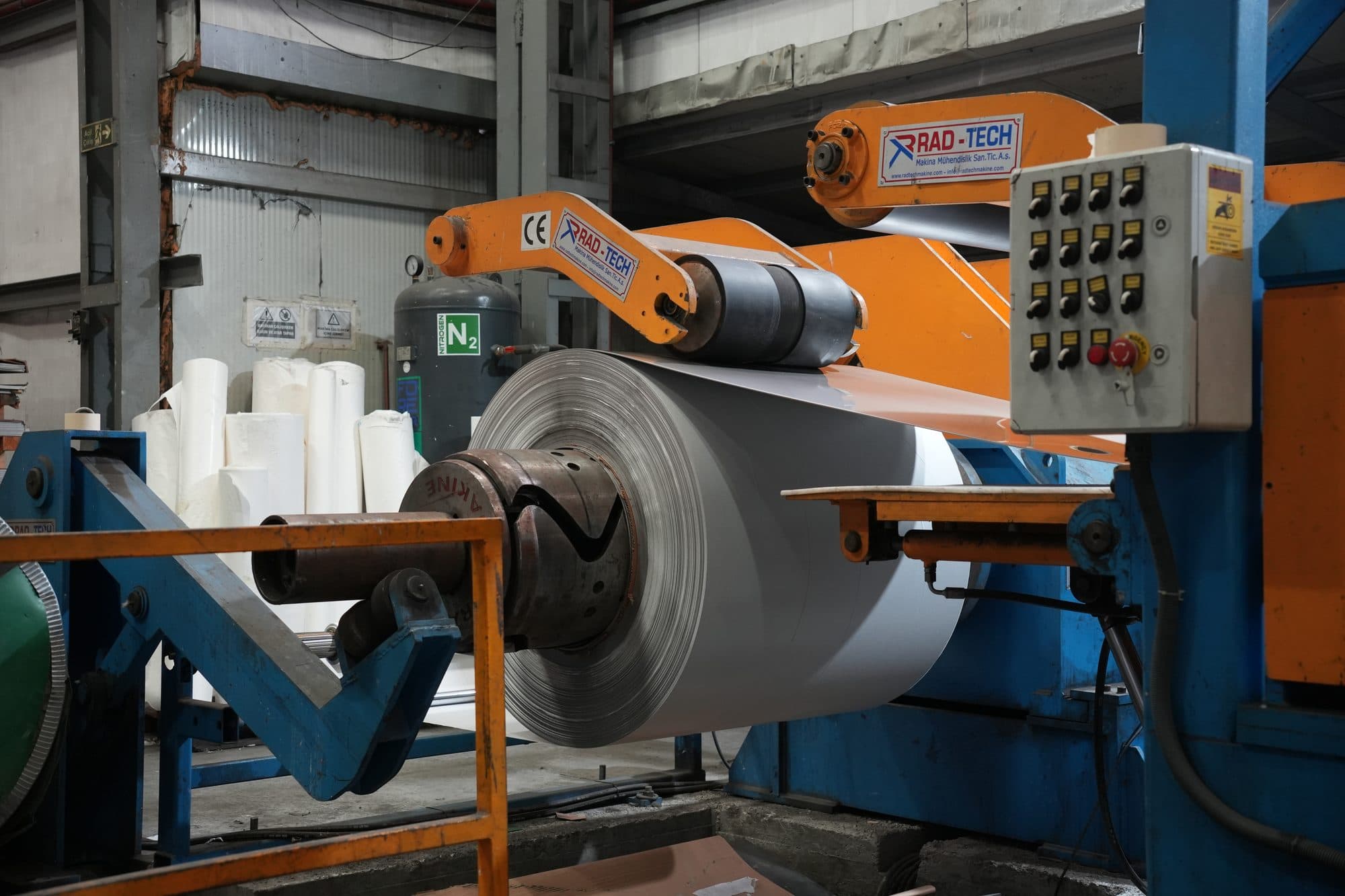
On the slitting line, a wide master coil is passed between rotating circular knives and divided lengthwise into narrower strips (slit coil). The input is a wide coil, the output is a narrow coil of the required width.
It is a typical intermediate process for pipe and profile production lines, press feeding systems and automation lines that need narrow strip input.
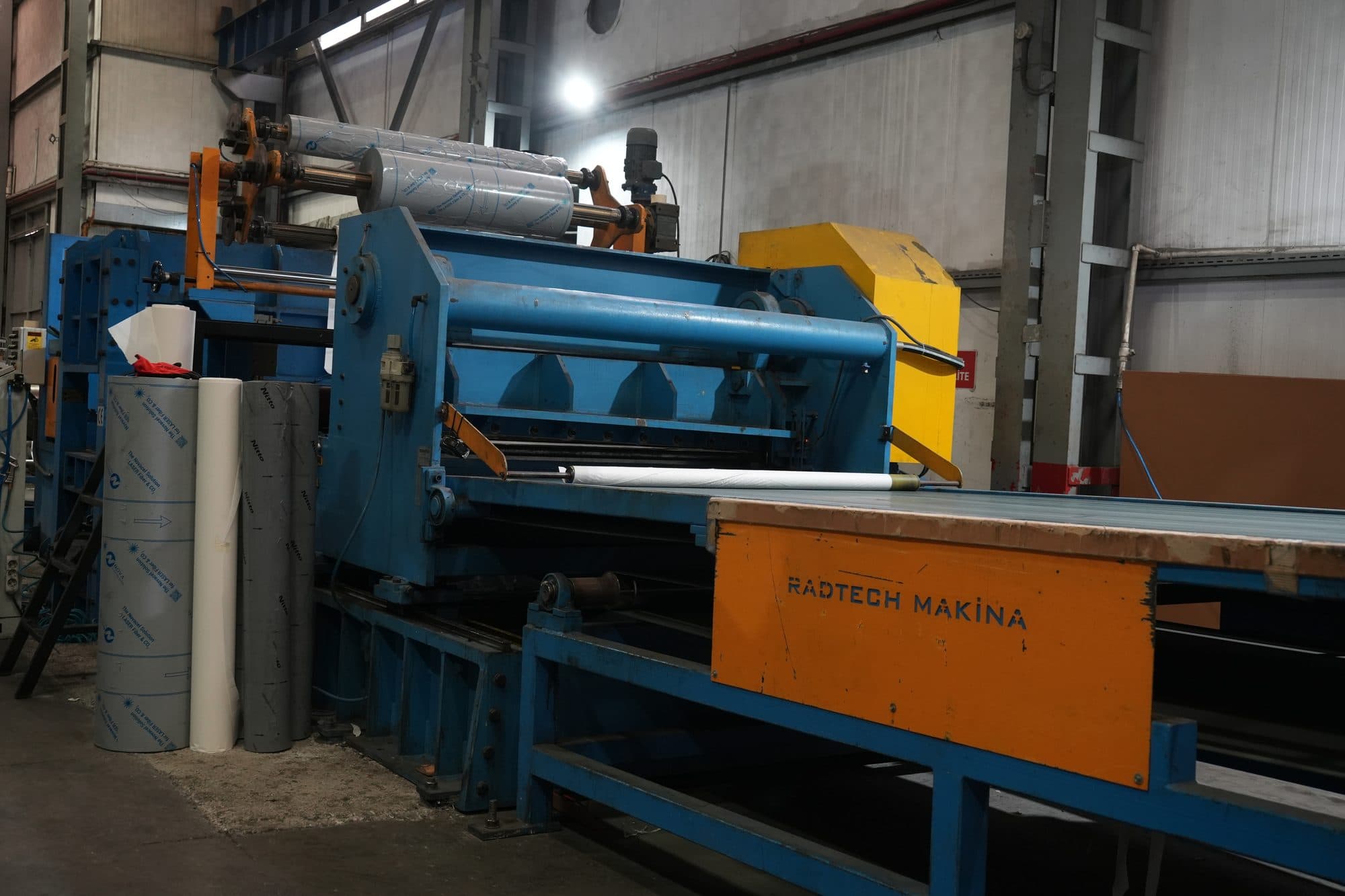
On the cut-to-length line, the coil is uncoiled by an uncoiler, passed through the leveler unit to relieve the internal stress caused by coil set, and cut by a cross-shear into flat sheets of the required length. The input is a coil, the output is flat, even sheet.
It is the standard first step for fabricators who want sheets in their own size instead of stocking sheet, and it provides a flat starting surface for subsequent laser cutting or bending.
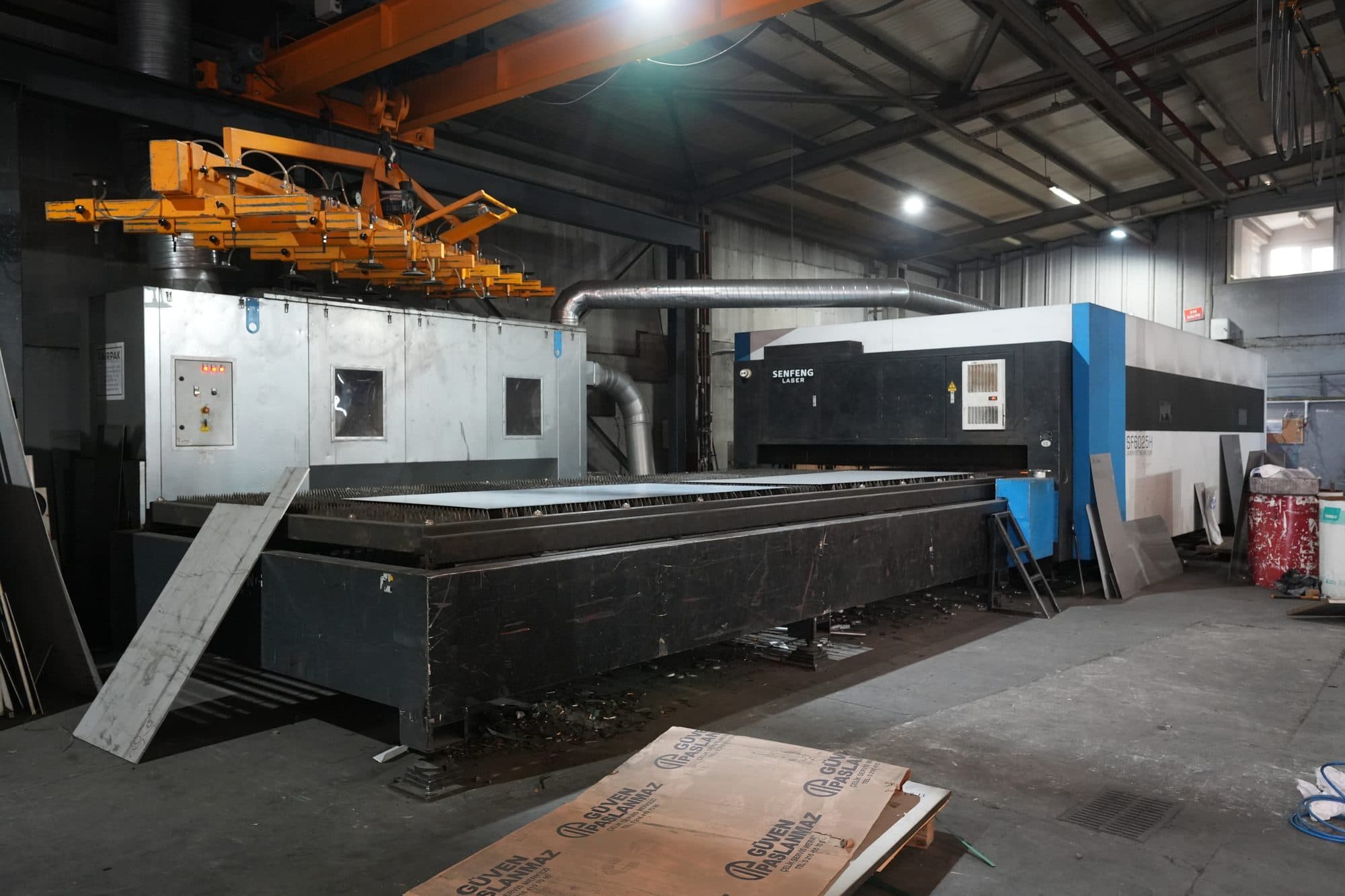
CNC laser cutting uses a computer-controlled beam to make contours, holes and cutouts on the sheet that match the technical drawing exactly. The input is usually flat sheet (often straight from the cut-to-length line), and the output is a net-shape part.
Because it requires no tooling investment, it is a fast method for low and medium quantities of parts with complex geometry.
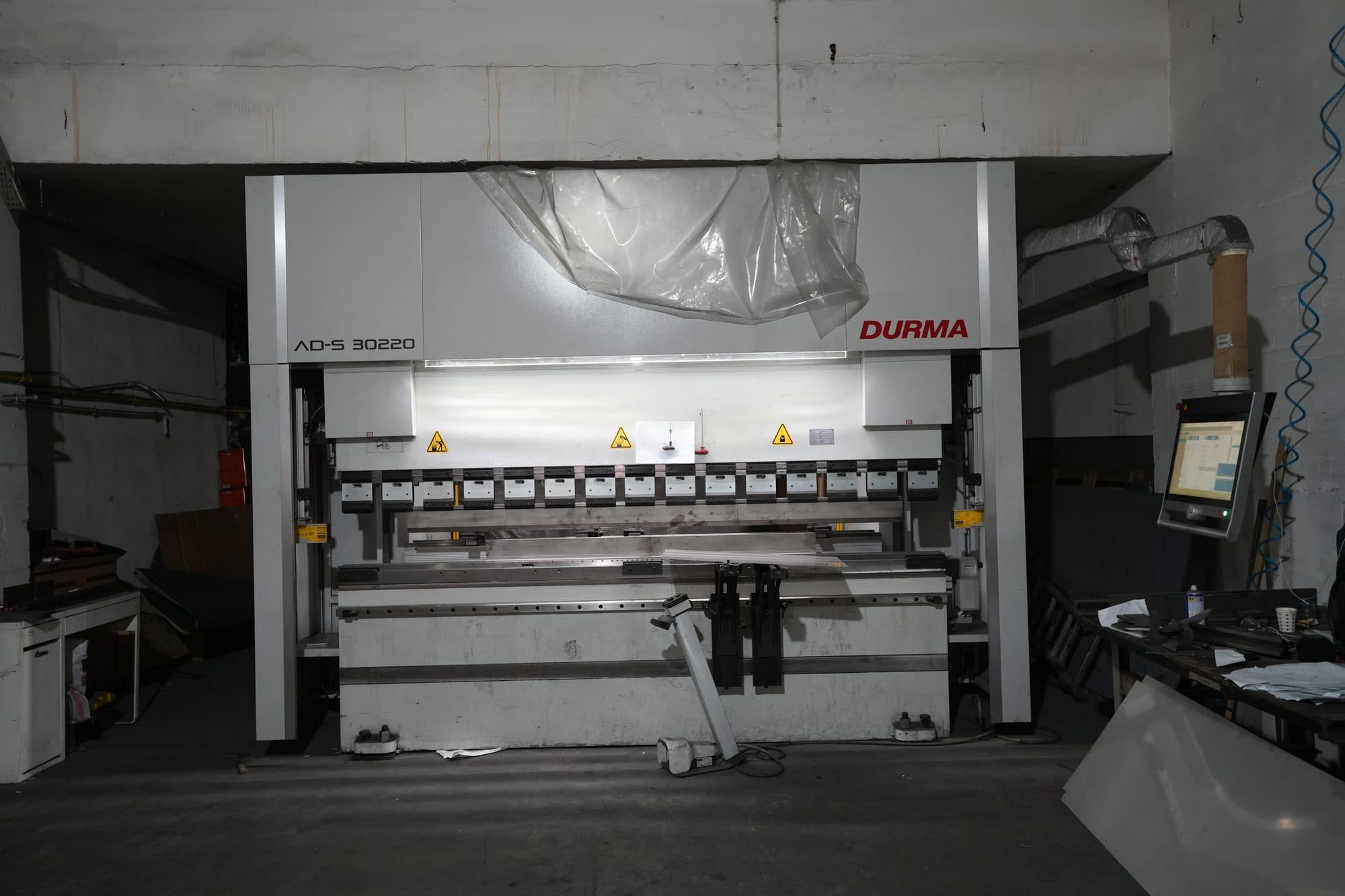
A CNC press brake bends the cut flat part at programmed angles and in a programmed sequence to bring it into three-dimensional geometry. The input is a flat cut part, the output is a box, channel, bracket or profile.
Bend lines and allowances must be worked out at the cutting stage; correcting dimensions after bending is difficult.
The typical flow is: coil, then slitting or cut-to-length, then laser cutting, then bending, and if needed welding and grinding. Each step takes the output of the previous one as its input.
Bringing these steps together at a single supplier reduces intermediate transport and handling; it combines responsibility for material and processing in one place.
Slitting is a lengthwise cut; it divides the width of a wide coil to produce narrow strips, and the result is still in coil form. Cut-to-length is a cross cut; it produces flat sheets of the required length from the coil.
Laser cutting generally works with flat sheet; material in coil form is first passed through the cut-to-length line. Some lines can also cut pipe and profile.
A flat part cut by laser or shear is prepared with the bend lines and bend allowances calculated. Correcting dimensions after bending is very difficult, so tolerance is managed at the cutting stage.
Cold forming (bending, slitting) causes some work hardening in the bend zone and at the edges; the corrosion class of the alloy does not change. However, the passive layer may be locally stressed at sharp bend radii and cut edges, and attention is paid to these points.